Working with medical equipment manufacturers: a sourcing guide for distributors and DME suppliers
OEM or own brand, FDA and MDR obligations, the document pack, MOQ, spare parts and warranty: what distributors should settle with a medical equipment manufacturer before the first container.
Short answer
Distributors buy finished devices from medical equipment manufacturers, then import, register, store, sell and service them in their territory. Before ordering, a distributor should decide between the manufacturer's brand, OEM or ODM; confirm FDA, CE or local registrations; obtain the ISO 13485 certificate, declaration of conformity and test reports; and agree MOQ, Incoterms, spare parts and written warranty terms.
Most hospital equipment reaches a ward through at least one intermediary. A factory builds the bed; an importer or distributor registers it, holds stock and handles service; a durable medical equipment (DME) supplier or hospital buyer puts it in front of the patient. When this chain works, nobody notices it. When it does not, the result is a container of beds that cannot be legally sold, a warranty claim with nobody to answer it, or a ward waiting months for a castor.
This guide is written for distributors, DME companies and medical equipment resellers who source from medical equipment manufacturers. It covers the decisions that matter, from OEM and ODM to registrations, documents, MOQ, spare parts and warranty, using hospital beds as the worked example, since that is what Keling makes.
How do distributors work with medical equipment manufacturers?
A distributor buys finished devices from a medical equipment manufacturer, takes responsibility for importing, registering, storing and supporting them in its territory, and resells them to hospitals, clinics, DME providers or other dealers. The manufacturer remains legally responsible for the design and conformity of the device; the distributor is responsible for what happens to it after it leaves the factory.
The typical chain for hospital beds looks like this:
- Manufacturer designs, tests, certifies and builds the device under a quality system such as ISO 13485.
- Importer brings it into the market. In the US this is the "initial importer"; in the EU the importer has its own obligations under the Medical Device Regulation (MDR).
- Distributor or dealer holds stock, sells and arranges delivery, installation and service. One company often acts as both importer and distributor.
- End customer: hospital procurement, a government tender, an NGO, or a DME supplier serving patients at home.
Manufacturer or trading company?
Many suppliers that present themselves as hospital bed manufacturers are trading companies buying from several factories. That is not automatically a problem, but a distributor needs to know who actually builds the product, because the certificates, the technical file and the spare parts all sit with the factory. Ask three questions: whose name is on the ISO 13485 certificate, whose address is on the CE declaration of conformity, and where the production line you will be shown is located. If the three answers do not match, find out why before you order. Keling's sales and export office is in Shanghai and its production base is in Yangzhou, Jiangsu, under the same group.
OEM, ODM or the manufacturer's own brand?
The first commercial decision is whose name goes on the product. It changes your regulatory responsibilities, not just your margin.
| Model | What it means | Regulatory effect | Best for |
|---|---|---|---|
| Manufacturer's brand | You resell the factory's product under its name | Manufacturer stays the legal manufacturer; you carry distributor or importer duties | New distributors, tenders that ask for the original maker |
| OEM / private label | The factory's design, built with your brand, colours, labels and packaging | In the EU, placing a device on the market under your own name can make you the manufacturer (MDR Article 16) unless an agreement keeps the original maker identified and responsible | Established distributors building a brand |
| ODM | The factory adapts or develops a design to your specification | Design ownership, technical file and certification must be agreed in writing | Large buyers with specific clinical or market needs |
Keling runs an OEM and private-label programme covering custom headboards, specified colours, branded bed heads and printed packaging. Before you choose private label, ask your regulatory adviser which party will be the legal manufacturer in each market.
Which registrations do distributors need?
The device must be registered in each market where it is sold, and the importer or distributor often has its own registration. Requirements differ by country; the two largest markets illustrate the pattern.
United States
- A powered hospital bed is a Class II device (21 CFR 880.5100); manual and hydraulic beds are Class I.
- Foreign manufacturers must register their establishment with the FDA, list their devices and pay the annual fee. So must the initial importer, which identifies the manufacturers it imports from rather than listing devices.
- A domestic distributor that does not import is not required to register.
European Union
- A non-EU manufacturer appoints an EU authorised representative, and the device carries CE marking under Regulation (EU) 2017/745.
- Importers (Article 13) and distributors (Article 14) must verify before sale that the device has CE marking, an EU declaration of conformity, the required labelling and instructions, and a UDI where applicable.
- Distributors must keep storage and transport conditions within the manufacturer's limits and must not relabel, translate instructions or rebrand without meeting Article 16.
Other markets, including the Gulf states, Africa, Latin America and Central Asia, run their own registration systems, often relying on CE marking or FDA status plus a local agent. Our article on what CE marking and ISO 13485 actually prove explains how to verify the certificates you are given.
Documents to request from a manufacturer
Ask for a full document pack before the first order, not with the shipment. A missing document can hold a container at customs or block a tender submission.
- Quality system: ISO 13485 certificate with scope covering the product, plus ISO 9001 where offered.
- Conformity: CE certificate or declaration of conformity, the device classification and the notified body number where one is involved.
- Test evidence: reports against IEC 80601-2-52 (adult medical beds; replaced IEC 60601-2-52 in 2026), electrical safety and EMC for electric beds.
- Product data: datasheet, drawings with tolerances, instructions for use, labels, UDI where required.
- Service data: spare-parts list with part numbers, exploded drawings, maintenance schedule.
- Shipping: commercial invoice, packing list, certificate of origin, and any fumigation or wood-packaging certificate.
For a structured audit, see how to vet a Chinese hospital bed manufacturer; Keling's certificates are on the certifications page.
MOQ, pricing and container planning
Minimum order quantity is set by production efficiency and by what fills a container economically, and it is usually negotiable for a first order. The unit price matters less than the landed cost per bed.
- Mixed containers. A first order often combines electric and manual beds, mattresses and accessories in one container, so a distributor can test several lines.
- Units per container. Packing method (assembled vs knocked down) changes how many beds fit, and therefore the freight cost per bed.
- Incoterms. Compare quotes on the same basis (FOB, CIF or DAP) before comparing prices.
- Lead times. Allow for production, sea freight and registration; OEM orders take longer because of custom parts and packaging.
For repeat business, ask the manufacturer to freeze the specification of each model you sell: the same actuator, the same castor, the same rail. Silent component changes between orders are a common cause of spare-parts mismatches and of tender disputes, because the bed delivered no longer matches the datasheet submitted. A frozen bill of materials, with written notice of any change, protects both sides.
Keling's capacity is about 30,000 units a year across nearly 200 product varieties. The mechanics are set out in our guide to importing hospital beds in bulk, and the price drivers in what drives a hospital bed quote.
Spare parts and service support
A distributor is judged by how quickly it fixes a bed, not by how cheaply it sold one. Agree the spare-parts plan before the first shipment.
- Order a starter kit with the first container: castors, rail latches, handsets, actuators or crank gearboxes, and control boxes for electric beds.
- Confirm that parts are model-specific and traceable by part number, and how long the manufacturer will support each model.
- Ask for service training material and fault-finding guides for local technicians.
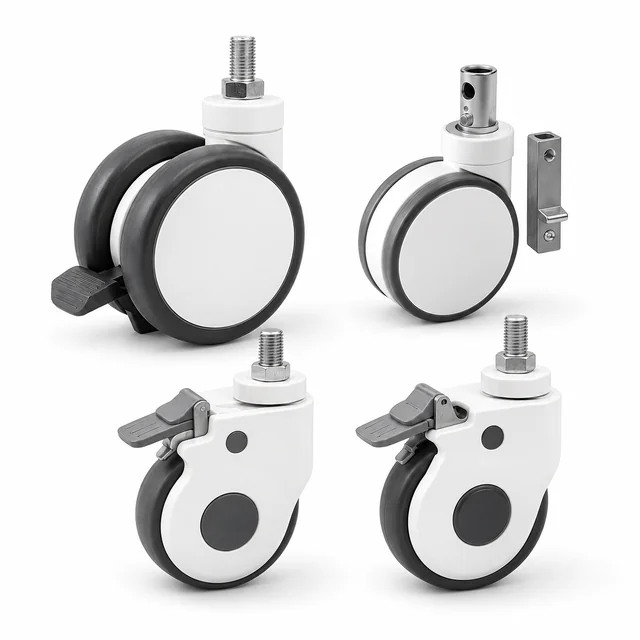
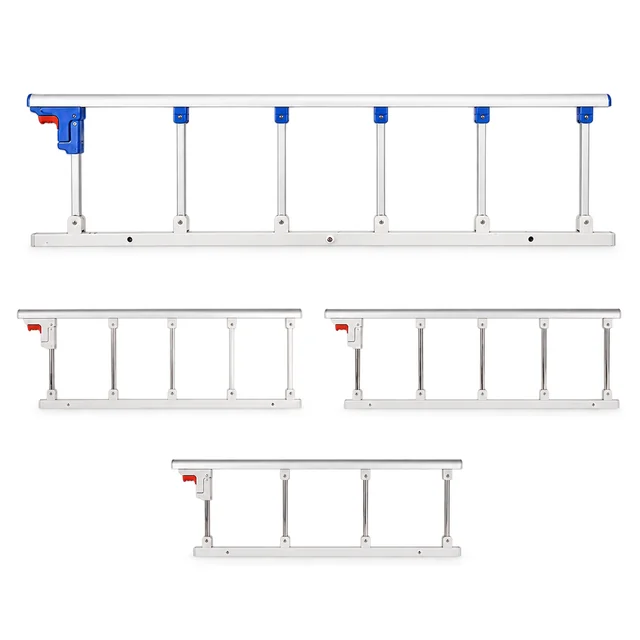
- Stock fast-moving accessories that fit across a range, such as KL-CA011 castors and KL-HL001 side rails.
Our article on hospital bed repair, maintenance and spare parts covers preventive maintenance schedules in more detail.
Warranty, complaints and vigilance
Warranty terms should be written into the supply agreement, with clear rules for who diagnoses a fault, who pays for parts and freight, and how quickly the manufacturer responds. Do not rely on a sentence on the pro-forma invoice.
- Define the warranty period separately for frame, actuators, electronics and mattresses.
- Agree a defect-reporting format: serial number, photos, description, date of installation.
- Agree how adverse incidents are reported. Under EU MDR, distributors who believe a device is non-conforming must inform the manufacturer and importer, and the competent authority where there is a serious risk. In the US, importers have reporting duties under 21 CFR Part 803.
- Keep sales records by serial number so a field safety notice or recall can reach every customer.
What DME suppliers need from a hospital bed manufacturer
A durable medical equipment supplier sells or rents equipment for use at home, so its needs differ from a hospital buyer's. Delivery, set-up and collection matter as much as specification.
- Reimbursement rules. In the US, Medicare pays for a home hospital bed only through an enrolled DMEPOS supplier, and suppliers must be accredited by a CMS-approved accreditation organisation.
- Product design. Knock-down frames that fit through house doors, quiet motors, and sections a single technician can assemble.
- Reuse. Rental fleets need cleanable surfaces, replaceable mattresses and documented refurbishment between users.
Our guide to choosing a hospital bed for home use covers what home users need, and the hospital beds for sale buying guide compares new, used and factory-direct supply.
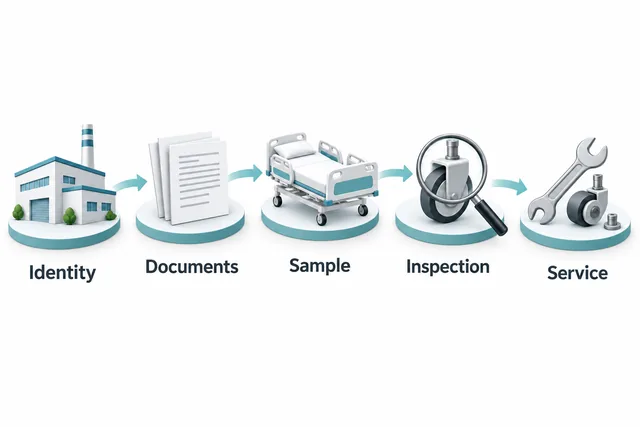
Distributor sourcing checklist
- Decide brand model: manufacturer brand, OEM or ODM, and who is legal manufacturer.
- Map registrations for each market and who holds them.
- Receive and verify the document pack before paying a deposit.
- Agree MOQ, Incoterm, packing method and lead time in writing.
- Order a sample or visit the factory; Keling exhibits at CMEF and Arab Health.
- Agree spare parts, service training and warranty terms.
- Set up serial-number traceability and complaint handling.
Specification line: supplier to provide ISO 13485 certificate, CE declaration of conformity, IEC 80601-2-52 test report, instructions for use in the target language, spare-parts list with part numbers, and a written warranty covering frame, actuators and control electronics.
Keling has supplied hospitals and distributors since 1996 and exports more than 40% of its output. See how our distributor supply programme works, or contact the export team to discuss a territory.
Sources and further reading
- FDA: Who must register, list and pay the fee — manufacturers, initial importers and distributors.
- Regulation (EU) 2017/745 on medical devices (EUR-Lex) — Articles 13, 14 and 16 on importers and distributors.
- Fimea: Distributors' obligations — a regulator's plain-language summary of MDR distributor duties.
- CMS: DMEPOS accreditation organisations — accreditation for US DME suppliers.
- Medicare.gov: Hospital beds — coverage through enrolled suppliers.
- IEC 80601-2-52:2026 Medical beds for adults — current bed safety standard.
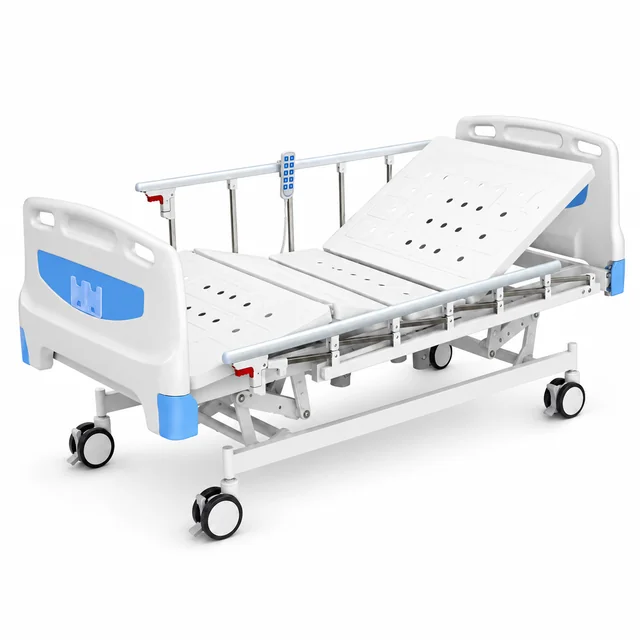
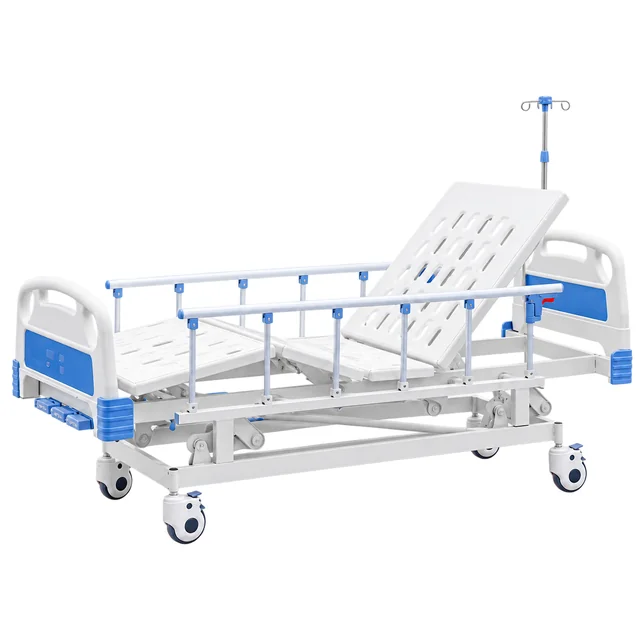
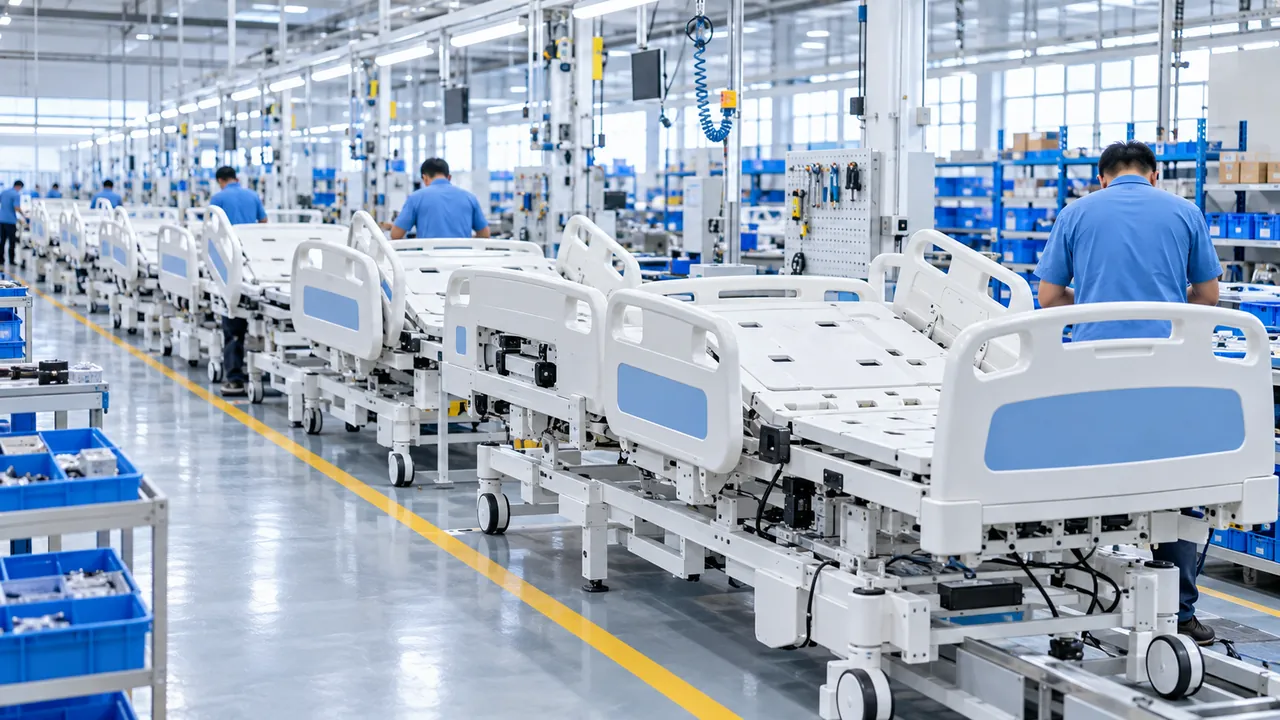
Illustration: AI-generated image for explanation only; it does not show a specific Keling model. See the linked product pages for actual product photos and specifications.
Frequently asked questions
How do medical device distributors find manufacturers?
Most distributors find medical equipment manufacturers at trade fairs such as CMEF and Arab Health, through tender results, industry directories and referrals. Shortlist on product fit, then verify the ISO 13485 certificate, CE or FDA status, test reports and export references, and order a sample or visit the factory before committing to volume.
Do medical device distributors need FDA registration?
A US domestic distributor that does not import devices is not required to register with the FDA. The initial importer must register its establishment and pay the annual fee, and foreign manufacturers must register and list their devices. Rules in other markets differ, so check local requirements for each territory.
What is the difference between OEM and ODM for medical equipment?
OEM, or private label, means the manufacturer builds its existing design with your brand, colours and packaging. ODM means it adapts or develops a design to your specification. In the EU, selling under your own name can make you the legal manufacturer under MDR Article 16, so agree regulatory roles in writing first.
What documents should a hospital bed manufacturer provide?
Ask for an ISO 13485 certificate covering the product, a CE certificate or declaration of conformity, test reports against IEC 80601-2-52 including electrical safety and EMC, datasheets and drawings, instructions for use, labels and UDI where required, a spare-parts list, and shipping documents including a certificate of origin.
How do DME companies get hospital beds?
DME companies buy hospital beds from manufacturers directly or through national distributors, then sell or rent them to patients at home. In the US, Medicare covers home hospital beds only through enrolled DMEPOS suppliers, which must be accredited. DME beds need knock-down frames, quiet motors and cleanable, replaceable parts for rental reuse.
What warranty should distributors negotiate with a manufacturer?
Write warranty terms into the supply agreement, with separate periods for frame, actuators, electronics and mattresses. Define who diagnoses faults, who pays for parts and freight, response times and the defect-reporting format. Keep serial-number sales records so field safety notices and recalls can reach every customer.
About the author
This article was written by the Keling Medical export team, drawing on the engineering data for the 33 bed, cot, mattress and accessory models Keling manufactures at its Yangzhou plant, and checked against the published standards and guidance listed in the sources. Keling Medical has been making medical appliances since 1996 and holds CE, ISO 9001 and ISO 13485 certification. More about Keling.