How to prevent bed sores: repositioning, support surfaces and the right hospital mattress
Pressure ulcer prevention from the equipment side: how turning schedules, bed settings, heel offloading and the choice of mattress work together on a hospital ward.
Short answer
To prevent bed sores, reposition the person on an individual schedule (NICE: at least every 6 hours if at risk, every 4 hours if high risk), use a pressure-redistributing mattress matched to their risk, raise the knee section before the backrest, keep the head of the bed at 30° or lower where clinically appropriate, offload the heels, inspect skin regularly, manage moisture and address nutrition.
To prevent bed sores, care teams combine five things: regular repositioning, a pressure-redistributing support surface, daily skin inspection, moisture control and attention to nutrition. None works on its own. A high-specification mattress does not compensate for a patient left in one position for twelve hours, and frequent turning on a thin, worn mattress still leaves bony areas loaded.
This guide looks at pressure ulcer prevention from the equipment side — how the bed, the mattress and the way they are used either help or hinder the nursing plan. It complements our clinical overview of pressure injury stages. Bed sore treatment is outside its scope, and individual care decisions, including repositioning schedules and head-of-bed angles, always follow the facility's protocols and the treating clinician.
How can you prevent bed sores? The five elements of prevention
You prevent bed sores by reducing the intensity and duration of pressure and shear on the skin, and by keeping the skin in a condition to tolerate them. In practice, guidelines from NICE and the EPUAP/NPIAP/PPPIA International Guideline group the work into five areas, often taught in UK hospitals with the SSKIN mnemonic:
- Surface — a mattress (and seat cushion) that redistributes pressure, matched to the patient's risk and weight.
- Skin inspection — checking pressure areas regularly, especially in people assessed as high risk.
- Keep moving — repositioning on a schedule, and encouraging the patient to move where they can.
- Incontinence and moisture — keeping skin clean and dry and protecting it from moisture damage.
- Nutrition and hydration — identifying and addressing nutritional deficiency.
All five start with risk assessment. NICE advises using clinical judgement supported by a validated scale such as the Braden scale, the Waterlow score or the Norton scale (Braden Q for children). The risk level then drives the repositioning interval and the class of mattress, which is why equipment pools should be planned around the number of high-risk patients a ward typically holds.
Repositioning: how often and in which positions?
NICE recommends encouraging adults at risk of pressure ulcers to change position at least every 6 hours, and those at high risk at least every 4 hours; children at risk at least every 4 hours. These are minimums: the International Guideline and most hospital policies set an individual schedule based on mobility, skin tolerance and the support surface in use.
How the patient is positioned matters as much as how often. Positioning to prevent bed sores, according to NPIAP tip sheets based on the International Guideline, includes:
- 30° tilted side-lying in preference to 90°. A full 90° side position loads the hip (trochanter) directly. Turning the patient to about 30°, supported by pillows or a wedge behind the back, spreads load across the buttock instead.
- Pillows between the knees and ankles so bony surfaces do not press on each other.
- Microshifts. Small shifts in position, made by lifting the sheet or underpad slightly, relieve pressure between full turns.
- Equipment that reduces friction and shear, such as slide sheets, rather than dragging the patient up the bed.
For full positioning guidance on the bed, see our guide to what each hospital bed function does.
How the hospital bed reduces pressure and shear
The bed frame itself is a pressure ulcer relief device when it is used correctly. Two settings matter most: the order in which the sections are raised, and the head-of-bed angle.
Knee-break before backrest
When the backrest goes up on a flat bed, the patient slides towards the foot. The skin over the sacrum and heels is held by friction while the tissue beneath moves — shear, one of the main mechanisms of deep tissue damage. NPIAP positioning guidance is to raise the knee section first (to about 20°, no more than 30°) and then the head of the bed. The knee break forms a seat that holds the pelvis in place. The New South Wales Clinical Excellence Commission puts it in one line for powered beds: raise the knee bend to 30° or less before raising the head to 30° or less.
Head of bed at 30° or lower where clinically appropriate
NPIAP advises keeping head-of-bed elevation at 30° or lower, if clinically feasible, to minimise soft-tissue deformation over the sacrum. There are legitimate exceptions — meals, respiratory distress, and ventilated patients whose care bundles specify a higher angle — and those decisions belong to the clinical team. For long periods at higher angles, protocols usually add offloading of the sacrum afterwards.
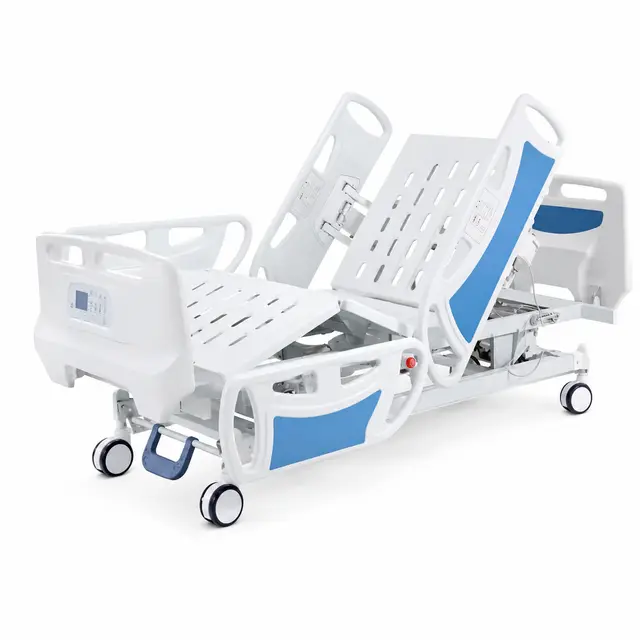
A bed can only support these practices if it has the right functions. A one-function bed has a backrest but no knee-rest, so it cannot create the knee break at all.
| Bed function | Prevention role | Keling examples |
|---|---|---|
| Knee-rest (thigh section) | Knee break before backrest to limit sliding and shear; reduces heel shear | Knee-rest 30±10° on KL-BC102 to KL-BC105 and KL-BC107 to KL-BC109; 40±10° on KL-BC101 |
| Backrest with angle indicator | Lets staff set and record a head-of-bed angle such as 30° instead of estimating | KL-BC101 (0–90° angle indicator) |
| Height adjustment | Raises the bed to working height so turning is done properly and more often | 450–760 mm on KL-BC103/104 and KL-BC108/109; 480–760 mm on KL-BC101 |
| Trendelenburg / reverse | Whole-platform tilt for specific clinical positions; not a substitute for the knee break | 12±5° on KL-BC102/103; 13±5° on KL-BC101 |
An electric bed such as the KL-BC101 makes the correct sequence easier to follow on every shift, because the knee and back sections are a button press rather than two crank handles.
Which mattress helps prevent bed sores? Matching the surface to risk
The mattress to prevent bed sores is chosen by risk level. The International Guideline (fourth edition) recommends a pressure-redistribution foam (reactive) surface for people at risk, and lists alternating pressure air (active) surfaces as an option where risk is moderate or high or where a pressure injury has developed on foam. NICE recommends high-specification foam for adults at risk in hospital and for adults with a pressure ulcer, and says to consider a dynamic support surface for the latter.
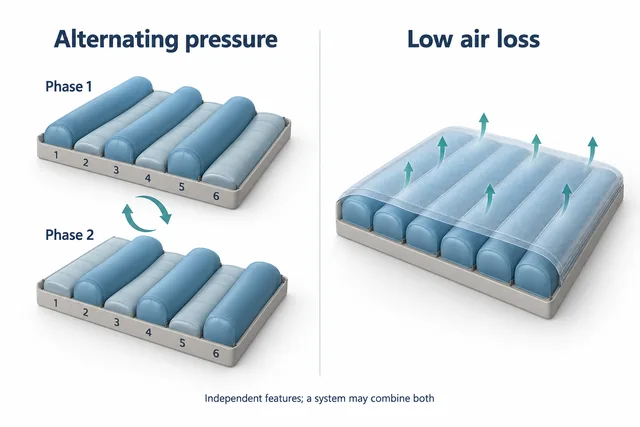
The types of pressure relieving mattresses fall into two classes defined by the NPIAP Support Surface Standards Initiative: a reactive surface changes how it distributes load only in response to the weight on it (foam, static air); an active surface is powered and changes load distribution with or without a load (alternating pressure).
| Assessed situation (per facility protocol) | Typical surface class | Keling option |
|---|---|---|
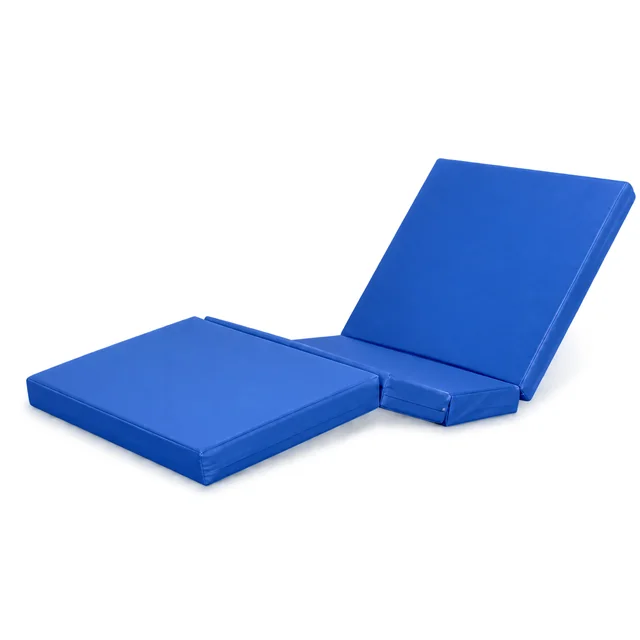
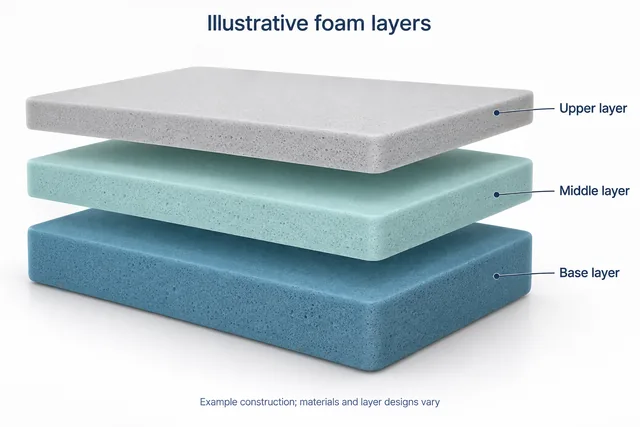
| Low risk, short stay | Standard or high-density foam hospital mattress | KL-P001 foam mattress, high-density sponge option |
| At risk, articulating bed | Pressure-redistributing foam, segmented to follow the bed | KL-P002 three-section segmented mattress |
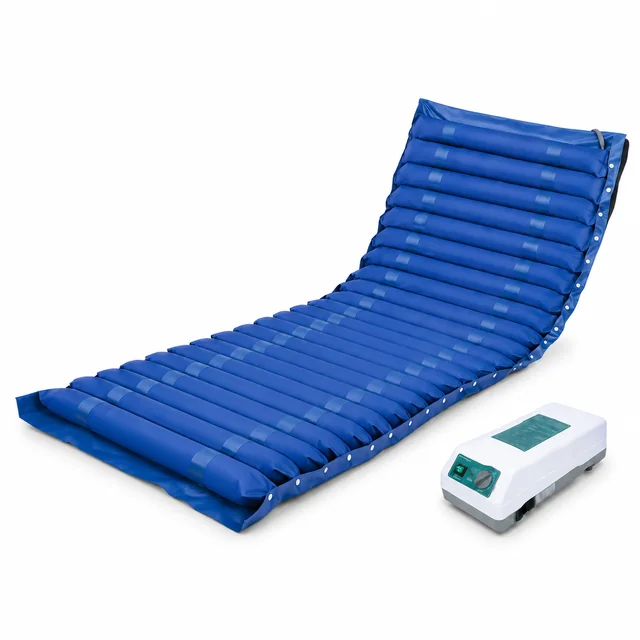
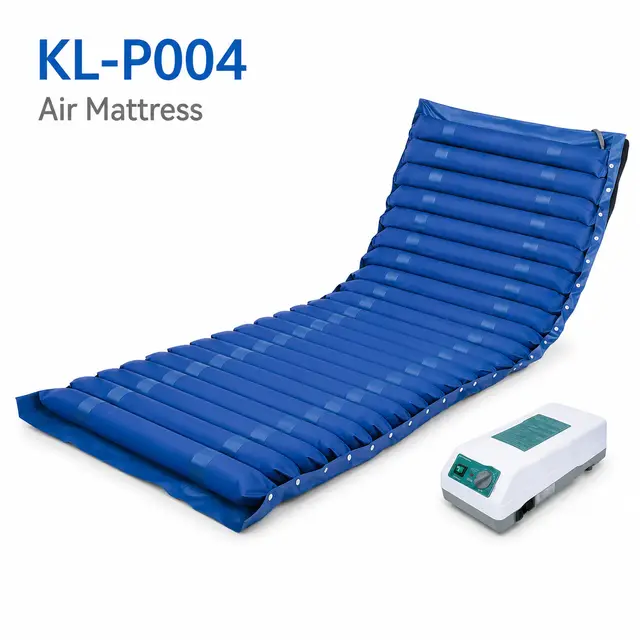
| Moderate to high risk, or injury developed on foam | Powered alternating pressure mattress (air) | KL-P004 tubular alternating pressure air mattress with digital pump |
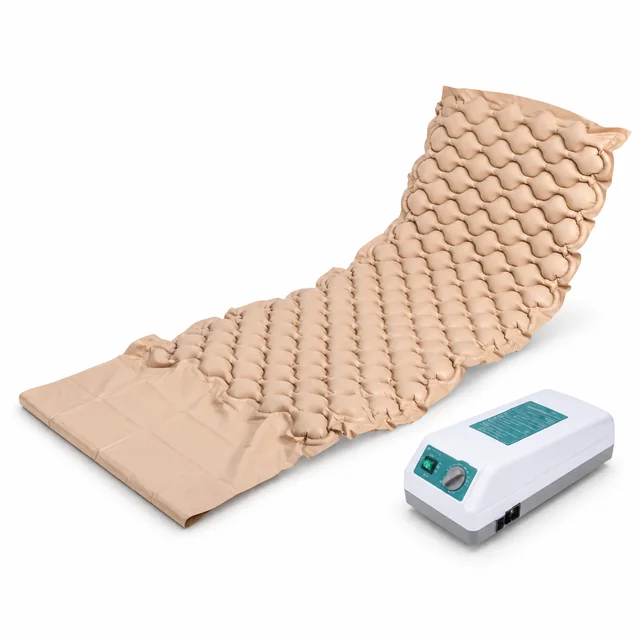
| Need for an air surface at lower cost or as an overlay-type solution | Bubble-cell air mattress with pump | KL-P003 bubble-cell air mattress |
A pressure relief mattress topper or overlay can upgrade an existing mattress, but it raises the patient relative to the side rails. UK MHRA guidance warns that air and dynamic surfaces reduce the effective height of the rail, so overlays need a bed-rail risk check. The detailed trade-offs between technologies are covered elsewhere: pressure relief hospital mattresses, alternating pressure vs low-air-loss and foam density and covers.
Whatever the surface, check it works for this patient. A hand slid palm-up under the mattress beneath the lowest bony point should not feel the bone through the surface — if it does, the patient is "bottoming out" and the pressure setting or surface needs review. For air mattresses, our pump settings and alarms guide explains weight settings, static mode and alarms.
Heel offloading: why the mattress is not enough
Heels need to be lifted clear of the surface, because no mattress spreads load well over such a small, bony area. NPIAP guidance is to ensure heels are offloaded from the support surface in both supine and side-lying positions.
- Use a pillow lengthways under the calves, or a purpose-made heel suspension device, so the heel floats and the weight is spread along the calf, not concentrated on the Achilles tendon.
- Keep the knee slightly flexed rather than locked straight; the bed's knee bend helps reduce heel pressure and shear.
- Check heels at every skin inspection — including on air mattresses, where staff sometimes assume the surface has dealt with them.
The NSW Clinical Excellence Commission advises a dedicated heel suspension device for patients with full-thickness, unstageable or suspected deep tissue injury on the heel.
Skin inspection and moisture: covers, pads and layers
Skin inspection means looking at and feeling every pressure area at each repositioning, and documenting any change. NICE recommends a skin assessment for people at high risk. The NHS describes early warning signs as patches that stay discoloured when pressed — red on white skin, often purple or blue on black or brown skin — or skin that feels warm, spongy or hard.
Moisture from sweat or incontinence softens skin and increases friction. NICE suggests considering a barrier preparation for adults at high risk of moisture lesions. The equipment side of moisture management is often overlooked:
- Mattress covers should be liquid-resistant and vapour-permeable, so fluid stays out but heat and humidity can escape. Inspect covers regularly and replace damaged ones.
- Bed sore pads and incontinence pads are different products. Absorbent underpads manage moisture; they do not relieve pressure, and several folded layers under a patient on an air mattress add creases and reduce the surface's effect. Follow the mattress manufacturer's guidance on what can go between patient and surface.
- Sheets should be smooth and not tucked so tightly that they hammock over an air mattress.
Nutrition and hydration at a general level
Good nutrition supports skin that tolerates pressure and heals when damaged. NICE advises nutritional assessment for people at risk and offering supplements to adults with a pressure ulcer who have a nutritional deficiency, but not offering supplements specifically to prevent pressure ulcers in adults whose nutritional intake is adequate. Specific diet, fluid and supplement decisions belong to the care team and dietitian.
Cushions and pillows for bed sores: where they fit
A bed sore cushion protects a patient when they sit out of bed, which a mattress cannot do. Sitting concentrates weight on the ischial tuberosities and coccyx, so patients at risk need a pressure relief seat cushion — foam, gel, air or alternating pressure — selected by a seating assessment. A pillow for bed sores, by contrast, is a positioning aid for the 30° tilt and heel offloading described above, as are wedges.
Keling does not supply cushions, pillows or wedges. When planning a ward package, list them as a separate line so they are not forgotten when beds and mattresses arrive.
A ward checklist for pressure ulcer prevention equipment
Use this checklist when specifying beds and support surfaces for pressure injury prevention:
- Every bed has a knee-rest and, ideally, height adjustment and a backrest angle indicator.
- Every bed has a pressure-redistributing foam mattress of a thickness compatible with its side rails.
- A pool of powered alternating pressure air mattresses is available within hours, with spare pumps, hoses and covers.
- Covers are liquid-resistant and vapour-permeable, with a documented inspection routine and spares.
- Staff training covers knee-break-first sequencing, 30° tilt, heel offloading and the hand check for bottoming out.
- Seat cushions, pillows and heel devices are specified separately for patients who sit out or need positioning.
Specification line: Electric hospital bed with knee-rest 30±10°, backrest 70±10°, height 450–760 mm; three-section segmented foam mattress 1900 × 900 mm with liquid-resistant cover; alternating pressure air mattress 1900 × 900 mm with electric pump and digital controller available for high-risk patients.
Our hospital bed mattress buying guide covers sizes, covers and replacement cycles. To quote a ward package of beds with KL-P002 segmented mattresses and KL-P004 air mattresses, contact Keling's export team or request a quotation.
Sources and further reading
- NICE CG179: Pressure ulcers – prevention and management — risk assessment, repositioning intervals, mattresses, barrier preparations and nutrition.
- International Guideline (EPUAP/NPIAP/PPPIA): Full body support surfaces — reactive and active surfaces and selection by risk.
- NPIAP tip sheet: Proper supine positioning — knee section first, head of bed at 30° or lower, heel offloading.
- NPIAP tip sheet: Side-lying positioning — 30° tilted side-lying in preference to 90°.
- NSW Clinical Excellence Commission: Repositioning and support surfaces for people in bed — practical bed-use guidance.
- NHS: Pressure ulcers (pressure sores) — warning signs on different skin tones and who is at risk.
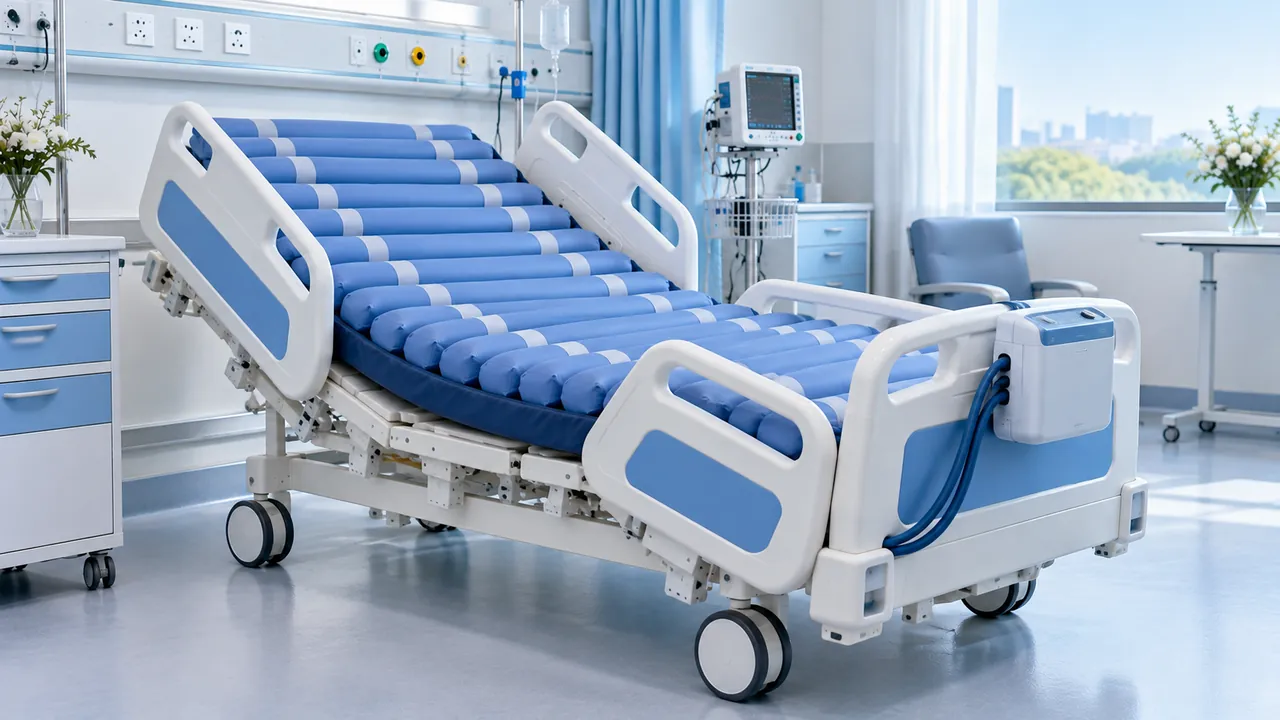
Illustration: AI-generated image for explanation only; it does not show a specific Keling model. See the linked product pages for actual product photos and specifications.
Frequently asked questions
How can you prevent bed sores in bedridden patients?
Combine repositioning on an individual schedule, a pressure-redistributing mattress matched to assessed risk, regular skin inspection, moisture control and attention to nutrition. On the bed, raise the knee section before the backrest, use a 30-degree tilted side-lying position rather than 90 degrees, and keep heels lifted clear of the mattress. Care plans follow the facility's protocols.
What is the best mattress to prevent bed sores?
There is no single best mattress; the surface is matched to risk. Guidelines recommend pressure-redistributing or high-specification foam for people at risk, and consider powered alternating pressure air mattresses for those at higher risk or with existing pressure injuries. The mattress must also fit the bed, suit the patient's weight and be checked for bottoming out.
How often should a patient be turned to prevent pressure ulcers?
NICE recommends encouraging adults at risk to change position at least every 6 hours and those at high risk at least every 4 hours. These are minimums; the care team sets an individual schedule based on mobility, skin condition and the support surface in use, and many protocols turn high-risk patients more often.
Why should the knee section be raised before the backrest?
Raising the backrest on a flat bed makes the patient slide towards the foot, creating shear over the sacrum and heels. NPIAP positioning guidance is to raise the knee section first, to about 20 degrees and no more than 30, and then raise the head of the bed, so the bent knees hold the pelvis in place.
Do pressure relief cushions help prevent bed sores?
Yes, for patients who sit out of bed. Sitting concentrates weight on the ischial tuberosities and tailbone, which a mattress cannot protect. A pressure relief seat cushion chosen through a seating assessment protects these areas, while pillows and wedges are used in bed for 30-degree tilting and heel offloading.
How long does it take for bed sores to form?
Bed sores usually develop gradually, but the NHS notes they can sometimes appear within a few hours in vulnerable people. That is why risk assessment, early skin inspection and an appropriate support surface should start at admission rather than after redness appears.
About the author
This article was written by the Keling Medical export team, drawing on the engineering data for the 33 bed, cot, mattress and accessory models Keling manufactures at its Yangzhou plant, and checked against the published standards and guidance listed in the sources. Keling Medical has been making medical appliances since 1996 and holds CE, ISO 9001 and ISO 13485 certification. More about Keling.