How to make a hospital bed: occupied and unoccupied bed making step by step
A clinical routine, not housekeeping. The steps, bed settings and infection-control rules for making unoccupied and occupied hospital beds safely, as taught in nursing and CNA training.

Short answer
To make a hospital bed, lock the brakes, raise the bed to working height and lay it flat. Remove soiled linen without shaking it and bag it at the bedside. Fit the bottom sheet, add a draw sheet, then the top sheet and cover with mitred corners and a toe pleat. For an occupied bed, work one half at a time, rolling the patient towards a raised rail.
Bed making looks like housekeeping, but in a hospital it is a clinical task. A well-made bed protects skin from wrinkles and moisture, keeps contaminated linen from spreading microorganisms, and gives staff a chance to check the patient and the bed itself. A badly made one creates pressure points, falls risks and back injuries.
This guide explains how to make a hospital bed step by step, both unoccupied and occupied, with the infection-control rules, the bed settings to use and the details (mitred corners, toe pleats, draw sheets) that nursing and CNA skills assessments look for. Local policy and the patient's care plan always take precedence.
What is bed making in the hospital?
Bed making in the hospital is the procedure of stripping, cleaning around and remaking a patient bed with clean linen so that it is safe, smooth, dry and ready for the patient's needs. It is done when a patient is discharged, when linen is soiled, and on a routine schedule.
Nursing texts describe four common types:
| Type | When it is used | Key feature |
|---|---|---|
| Closed (unoccupied) bed | After discharge and terminal cleaning, before a new admission | Top sheet and cover pulled up to the pillow |
| Open (unoccupied) bed | Patient is out of bed but returning | Top linen fan-folded to the foot so the patient can get in |
| Occupied bed | Patient cannot safely get out of bed | Linen changed one half at a time while the patient is rolled |
| Surgical (post-operative) bed | Patient returning from theatre or a procedure on a trolley | Top linen fan-folded to one side to allow a lateral transfer |
Supplies and infection-control rules
Gather everything before you start so you never leave a patient mid-procedure. A standard set is: bottom fitted (or flat) sheet, draw or lift sheet, absorbent pad if the care plan calls for one, top sheet, blanket or cover, pillowcases, gloves, a linen skip or bag, and cleaning wipes approved by your facility.
The handling rules come straight from infection-control guidance:
- Do not shake linen. CDC guidance says soiled linen should be handled as little as possible and with minimum agitation, to avoid releasing microorganisms into the air.
- Bag at the point of use. Put soiled linen straight into the bag at the bedside; do not sort or rinse it in the room, and never put it on the floor.
- Keep clean and dirty apart. Hold linen away from your uniform, do not carry linen between rooms, and send any clean linen that touches the floor to the laundry.
- Gloves and hand hygiene. Wear gloves to remove soiled linen; remove them and clean your hands before handling clean linen.
Laundering happens off the ward, but it explains why hospital linen is specified the way it is. UK HSE guidance gives thermal disinfection as 65°C held for at least 10 minutes, or 71°C for at least 3 minutes, within the wash cycle. CDC notes that commercial laundries often use water at 160°F (71°C) or higher with chlorine bleach for heavily contaminated linen. Our guide to hospital bed sheet sizes and materials covers linen that survives that cycle.
Set the bed up first: height, brakes and rails
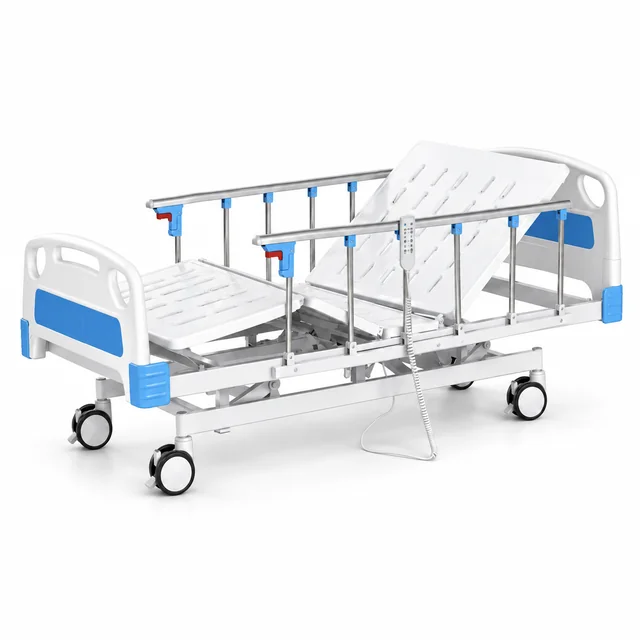
Before touching the linen, put the bed in its working configuration. This is where an adjustable hospital bed earns its price, because it protects the person making the bed as much as the patient.
- Brakes on. Check every castor is locked; a bed that rolls during a turn is a fall waiting to happen. See our guide to castor brakes and central locking.
- Raise to working height. Bring the deck to roughly the carer's hip height so you work without stooping. On a height-adjustable bed such as the KL-BC104 the range is 450–760 mm.
- Flatten the bed. Lower the backrest and knee-rest as far as the patient's condition allows, so sheets lie flat and corners can be tucked.
- Rails. For an occupied bed, keep the rail up on the side away from you; lower only the rail on your working side.
When you finish, reverse this: bed to its lowest height, brakes checked, rails set according to the patient's assessment, and the call bell within reach.
How to make an unoccupied hospital bed step by step
An unoccupied bed is made with the patient out of the bed, so you can work round it methodically. Make one side completely, then the other, to save steps.
- Clean your hands, put on gloves and remove pillowcases, top linen and bottom linen, rolling each item inwards so the soiled surface is inside. Place it directly in the linen bag.
- Check the mattress cover for damage or moisture and clean it with an approved wipe; report any tear, because a damaged cover lets fluid into the core. Our foam mattress cover guide explains why.
- Remove gloves and clean your hands.
- Fit the bottom sheet: centre it, fit the head-end corners first, then the foot. If you are using a flat bottom sheet, tuck it under the head of the mattress and make a mitred corner.
- Place the draw sheet across the middle third of the bed, from shoulders to knees, and tuck it in on your side.
- Add an absorbent pad only if the care plan specifies one.
- Lay the top sheet and cover, centred, with the top edge level with the head of the mattress; mitre the corners at the foot.
- Go to the other side and repeat, pulling each layer tight before tucking.
- Fold the top sheet back over the cover to make a cuff, put on pillowcases and place the pillow with the open end away from the door.
- For an open bed, fan-fold the top linen to the foot; for a closed bed, leave it pulled up.
Occupied bed making step by step
Occupied bed making means changing the linen while the patient stays in bed, by working on one half of the bed at a time and rolling the patient across. It is used for patients on bed rest or who cannot safely transfer, and it is a standard CNA skills test.
The sequence below follows the WisTech Open Nursing Assistant checklist (CC BY 4.0), with bed-handling notes added:
- Knock, introduce yourself, confirm the patient's identity, explain the procedure and close the curtain.
- Clean your hands. Stack the clean linen on a clean surface in the order you will use it, fitted sheet on top.
- Set the bed: brakes on, working height, as flat as tolerated. Put on gloves and remove personal items from the bed.
- Raise the side rail on the far side and go to that side if needed; use the lift sheet to roll the patient towards the raised rail, keeping them covered.
- On your working side, roll the soiled linen towards the middle of the bed and tuck it against the patient's back.
- Remove gloves and clean your hands. Fit the clean bottom sheet on your half, then lay the clean lift sheet and any pad, fan-folding the excess against the soiled roll.
- Raise the rail on your side, go round, put on gloves and lower the rail on the new working side.
- Roll the patient over both rolls of linen towards the opposite raised rail. Remove the soiled linen and place it straight in the bag.
- Remove gloves, clean hands, then pull the clean bottom sheet, lift sheet and pad through and smooth them until there are no wrinkles.
- Return the patient to their back, place the clean top sheet over them and remove the old one from underneath it, so they are never exposed.
- Mitre the foot corners, make a toe pleat, change pillowcases and adjust the cover.
- Lower the bed, check brakes, set rails per the assessment, place the call bell in reach, open the curtain, clean your hands and report anything abnormal.
For heavier or dependent patients, use two carers and slide sheets rather than rolling single-handed. If the patient is on an alternating-pressure air mattress, follow the pump instructions before turning; some systems have a firm or "static" mode for care procedures.
Mitred corners, toe pleats and draw sheets
These three details are what make a hospital bed look and perform differently from a bed at home.
- Mitred (hospital) corner. Tuck the end of the sheet under the foot of the mattress, lift the side edge to form a 45° fold, tuck the hanging part under the mattress, then drop the fold and tuck it in. It holds a flat sheet tight without a fitted elastic.
- Toe pleat. Make a vertical fold of a few centimetres in the top linen over the feet. It stops tight bedding from pressing the toes down, which reduces pressure on the toes and heels and avoids pulling the feet into plantar flexion.
- Draw or lift sheet. A folded sheet across the middle of the bed lets staff reposition the patient and change a soiled area without remaking the whole bed.
Bed making and pressure care
Bed making for nursing is also skin care. Wrinkles, crumbs, tubing and damp linen all concentrate pressure or soften the skin, and every extra layer between the patient and a pressure-redistributing mattress reduces how well that surface can do its job.
- Keep the bottom sheet taut and wrinkle-free, especially under the sacrum and heels.
- Use the minimum number of layers; follow the mattress manufacturer's instructions on sheets and pads.
- Change damp linen promptly and check the skin at the same time.
- Do not use the bed-making moment to leave the patient in one position longer; coordinate it with the turning schedule.
For context on the surfaces underneath, see our guides on preventing bed sores with support surfaces and patient positioning in a hospital bed.
Do they make bed rails for adjustable beds?
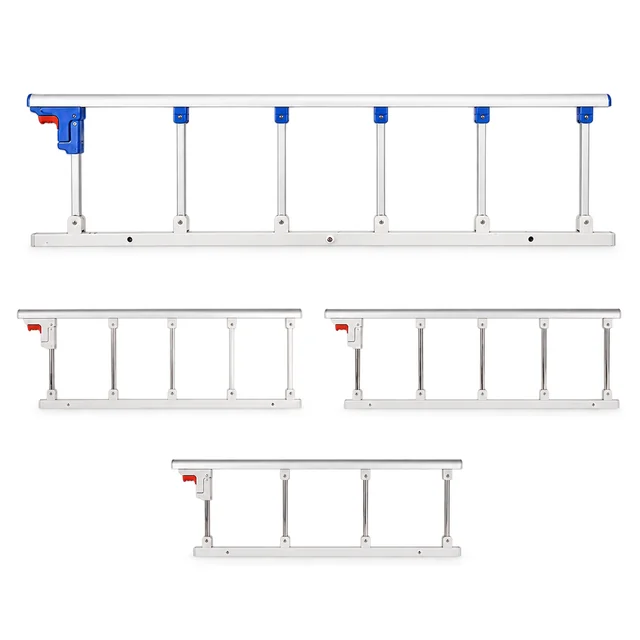
Yes. Most hospital beds are adjustable and are designed with side rails that move with the bed deck, and replacement rails are made for specific bed frames. What matters is that the rail is designed for that bed model.
A rail that does not match the frame and mattress can leave gaps where a patient's head, neck or chest can become trapped, which is the main hazard in bed rail use. When making a bed, check that rails latch securely, that the mattress fills the space between rail and deck, and that the mattress has not slid away from the rail. Keling supplies model-matched rails, including the KL-HL001 aluminium and stainless steel rails and the KL-HL002 ABS side rail; our article on bed rails for the elderly and entrapment safety covers assessment.
Specification line: Hospital bed with model-matched side rails that lock in the raised position, compatible mattress dimensions stated by the manufacturer (e.g. 1900 × 900 mm), height adjustment for working-height bed making, and castors with brakes on all four wheels.
Bed making checklist for CNAs and nurses
- Hands cleaned before and after; gloves for soiled linen only.
- Bed braked, at working height, flat as tolerated.
- Far-side rail up whenever the patient is turned towards it.
- No shaking; soiled linen bagged at the bedside, never on the floor.
- Mattress cover inspected and wiped.
- Bottom sheet tight and wrinkle-free; mitred corners; toe pleat.
- Patient covered throughout for privacy and warmth.
- Bed lowest, brakes on, rails per assessment, call bell in reach.
Keling manufactures the beds, mattresses and rails that make this routine easier. Contact our export team for model datasheets and mattress dimensions to share with your linen supplier.
Sources and further reading
- WisTech Open, Nursing Assistant: Skills Checklist, Making an Occupied Bed — step-by-step checklist and linen-handling rules (CC BY 4.0).
- CDC: Environmental Cleaning Procedures — cleaning of high-touch surfaces in the patient area.
- CDC (archived): Laundry, Washing Infected Material — minimum agitation, bagging at point of use, wash temperatures.
- UK Health and Safety Executive: Laundry treatments — thermal disinfection temperatures and times.
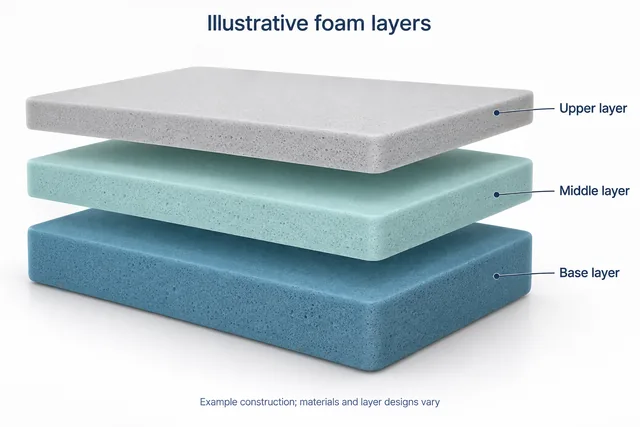
Illustration: AI-generated image for explanation only; it does not show a specific Keling model. See the linked product pages for actual product photos and specifications.
Frequently asked questions
How do you make an occupied bed?
Lock the brakes, raise the bed to working height and flatten it. Raise the far rail and roll the patient towards it. Roll the soiled linen to the middle, fit clean linen on your half and fan-fold it against the roll. Raise your rail, go round, roll the patient back over, remove the soiled linen and pull the clean linen through.
What is the difference between occupied and unoccupied bed making?
Unoccupied bed making is done with the patient out of bed, so you can strip and remake the whole bed side by side. Occupied bed making is done with the patient in bed, changing one half at a time while they are rolled from side to side, keeping them covered and safe with the opposite side rail raised.
Why should you not shake hospital linen?
Shaking linen releases skin cells, dust and microorganisms into the air and onto surfaces and staff. CDC guidance says soiled linen should be handled as little as possible and with minimum agitation, and bagged at the point of use. Clean linen should also be unfolded gently rather than flicked over the bed.
What is a mitred corner on a hospital bed?
A mitred or hospital corner is a way of folding a flat sheet at the foot of the mattress so it stays tight. Tuck the end under the mattress, lift the side edge to form a 45° fold, tuck the hanging part, then drop the fold and tuck it in. It gives a smooth, secure finish without elastic.
How often should hospital bed linen be changed?
Linen is changed whenever it is soiled or damp and on discharge, and otherwise on a routine schedule set by facility policy. One open nursing assistant text gives at least weekly as a minimum for residents. Acute wards often change more frequently, so follow your facility's linen and infection-control policy.
Do they make bed rails for adjustable beds?
Yes. Hospital beds are adjustable by design, and their side rails are built to move with the bed deck. Replacement rails should be specified for the exact bed model, because a mismatched rail or undersized mattress can leave gaps that create entrapment risk. Ask the bed manufacturer for model-matched rails and stated mattress dimensions.
About the author
This article was written by the Keling Medical export team, drawing on the engineering data for the 33 bed, cot, mattress and accessory models Keling manufactures at its Yangzhou plant, and checked against the published standards and guidance listed in the sources. Keling Medical has been making medical appliances since 1996 and holds CE, ISO 9001 and ISO 13485 certification. More about Keling.