Hospital bed sheets: sizes, fitted vs flat, materials and laundering
Most hospital linen problems start with ordering by a domestic size name. Here is how to size, specify and launder hospital bed sheets, pads and bassinet sheets correctly.

Short answer
Hospital bed sheets should be sized to the actual mattress, not a domestic bed name. A standard US hospital mattress is about 36 × 80 in (914 × 2032 mm) and 6 in thick, so twin XL sheets are the closest domestic fit. Many international mattresses are metric, such as Keling's 900 × 1900 mm, and need sheets made to that size.
Buying hospital bed sheets looks simple until a container of linen arrives and the fitted sheets ride up the corners or the flat sheets will not tuck. The cause is almost always the same: sheets were ordered by a domestic size name ("twin", "single") instead of by the actual mattress dimensions. Hospital mattresses come in different lengths, widths and thicknesses depending on the bed and the market.
This guide explains what size sheets a hospital bed takes, fitted versus flat, the main hospital bed sheet types, materials that survive hospital laundering, bed pads, and the separate rules for bassinet and crib sheets. Keling does not make sheets or pads; we make the beds and mattresses they go on, and we publish the mattress dimensions your linen supplier needs.
What size sheets fit a hospital bed?
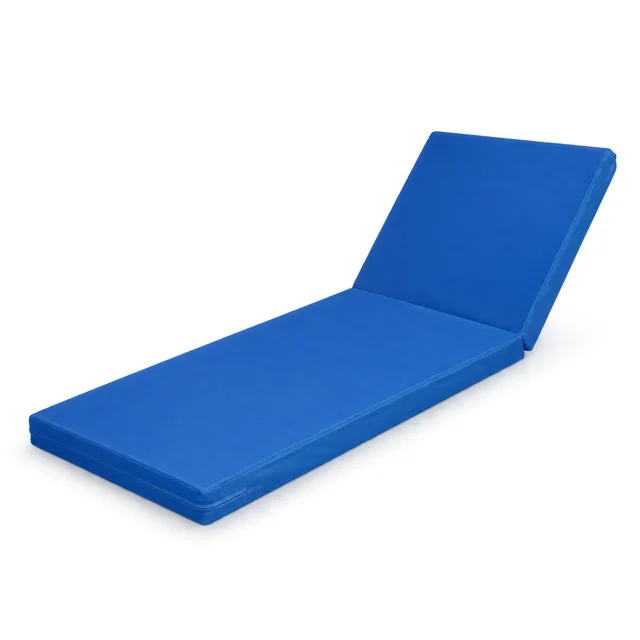
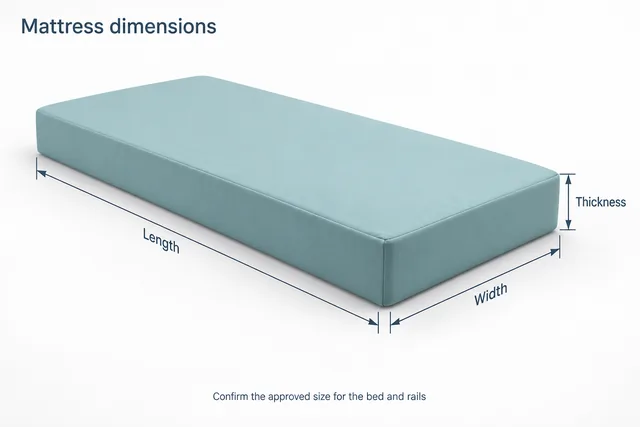
A hospital bed takes sheets sized to its mattress, not to a domestic bed name. In the US, a standard hospital mattress is commonly 36 in wide and 80 in long (about 914 × 2032 mm) and around 6 in (152 mm) thick. Many international hospital mattresses are metric, for example 900 × 1900 mm.
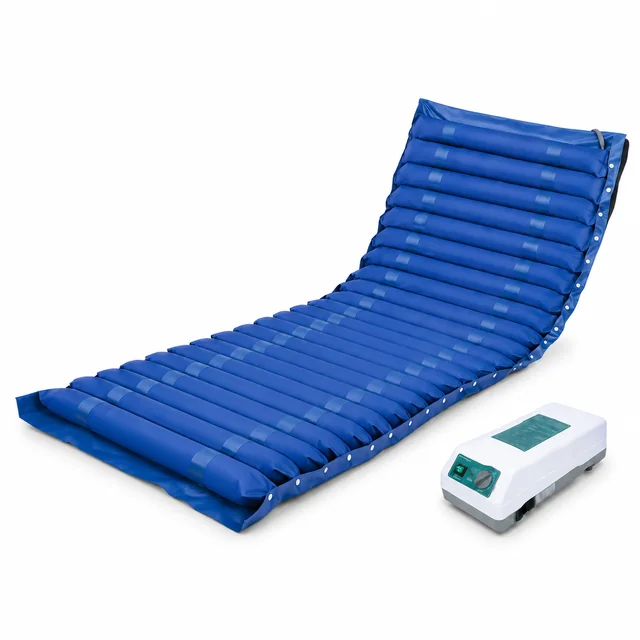
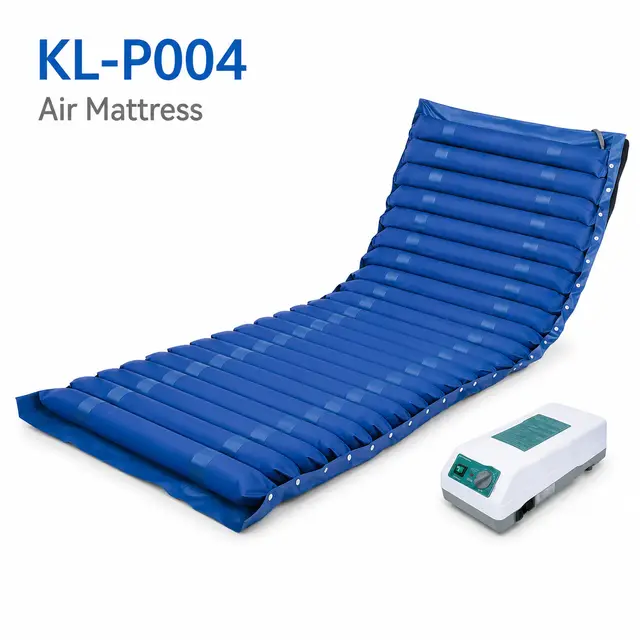
That difference matters. Keling's foam and air mattresses, including the KL-P001, KL-P002 and KL-P004, are 1900 × 900 mm (about 75 × 35.5 in), with foam thickness options of 60, 80, 100, 120 or 150 mm. Our bed decks are typically 1925–1930 × 900 mm. A sheet made for an 80 in US hospital mattress will be about 130 mm too long on these mattresses and will bunch.
| Mattress or sheet size | Approx. size (W × L) | Fit on a 36 × 80 in hospital mattress | Fit on a 900 × 1900 mm mattress |
|---|---|---|---|
| US standard hospital mattress | 36 × 80 in (914 × 2032 mm) | Exact | About 130 mm too long |
| Metric hospital mattress (e.g. KL-P001) | 900 × 1900 mm (35.4 × 74.8 in) | About 130 mm too short | Exact |
| Twin (US) | About 38–39 × 75 in | Too short | Length close; 50–90 mm too wide |
| Twin XL (US) | About 38–39 × 80 in | Length correct; 2–3 in wide | Too long and too wide |
| Bariatric hospital mattress | 39, 42, 48 or 54 in wide | Not applicable | Not applicable |
Before ordering, measure the actual mattress: length, width and thickness. Our mattress size and compatibility guide explains how to check the fit against the bed deck.
Do twin or twin XL sheets fit a hospital bed?
Twin XL hospital bed sheets are the closest domestic fit for a US 36 × 80 in hospital mattress; standard twin sheets are about 5 in too short. On a metric 900 × 1900 mm mattress, neither is a good fit.
Twin XL sheets match the 80 in length but are a little wider than 36 in, so a fitted twin XL sheet with deep elastic pockets usually works on a home-care hospital bed. Standard twin sheets (about 75 in long) will not stay on an 80 in mattress, especially when the backrest is raised, because articulation pulls the sheet towards the head. Hospital twin sheets sold for healthcare are cut to the true hospital size and are the better choice for a facility.
For extra-long twin sheets for a hospital bed, check pocket depth too: a 6 in foam mattress needs a shallower pocket than an 8–10 in air overlay or a thick air mattress.
Fitted sheets for hospital beds vs flat sheets
Fitted sheets for hospital beds are quicker to put on and stay in place during articulation; flat sheets fit a wider range of mattress sizes and are easier to launder and fold. Many hospitals use flat bottom sheets with mitred corners, while home care and long-term care often prefer fitted.
| Factor | Fitted bottom sheet | Flat bottom sheet |
|---|---|---|
| Fit tolerance | Narrow: must match mattress size and depth | Wide: one size can cover several mattresses |
| Speed of bed making | Fast, fewer skills needed | Slower; needs mitred corners |
| Stays put when backrest raised | Good if pocket depth is right | Depends on tuck quality |
| Laundry handling | Elastic ages with hot washes; harder to fold by machine | Simple to process and fold |
| Pressure surfaces | Over-tight sheets can restrict immersion | Easier to leave slightly loose |
The last row is easy to miss. On pressure-redistributing foam and air mattresses, a drum-tight sheet can "hammock" over the surface and reduce how far the body sinks in. Sheets should be smooth and wrinkle-free, but not stretched tight; follow the mattress manufacturer's guidance. See our pressure relief mattress buyer's guide for why immersion matters.
Hospital bed sheet types
A complete hospital bedsheet set has more parts than a domestic one. The common hospital bed sheet types are:
- Bottom sheet, fitted or flat, covering the mattress.
- Draw sheet (lift sheet), a narrower sheet across the middle third of the bed used to reposition the patient and to change a soiled area without remaking the whole bed.
- Top sheet, flat, under the blanket or used alone in warm wards.
- Blanket or cellular blanket and a bedspread or cover.
- Pillowcases, sometimes with a fluid-resistant pillow protector beneath.
- Bed pads (underpads), covered below.
How these go on in practice, including mitred corners and occupied bed changes, is covered in our step-by-step guide on how to make a hospital bed.
Materials and laundering: what hospital sheets must survive
Hospital linen is chosen for how it performs after hundreds of hot, chemical washes, not for how it feels new. Polyester-cotton blends are widely used because they dry faster and shrink less than pure cotton, while 100% cotton is chosen where comfort and breathability are priorities.
The laundering standard sets the bar. UK HSE guidance gives thermal disinfection as 65°C for at least 10 minutes or 71°C for at least 3 minutes within the wash cycle, and CDC notes that commercial laundries often use 160°F (71°C) or higher with chlorine bleach for heavily contaminated linen. Ask suppliers for:
- Shrinkage after repeated washes at your laundry's temperature.
- Colour-fastness to bleach and industrial detergents, if sheets are coloured.
- Elastic durability for fitted sheets.
- Fabric weight and tear strength, and the expected number of wash cycles.
- Any flame-retardancy requirement your local fire regulations apply to bedding.
Bed pads for hospital beds and incontinence
Hospital pads, or underpads, are absorbent layers placed under the patient's hips to protect the bottom sheet and mattress from moisture. They come as disposable single-use pads or reusable, washable pads.
- Disposable bed pads: no laundry load, convenient for isolation rooms; generate waste.
- Reusable hospital bed pads for incontinence: lower waste and cost per use over time; must tolerate thermal disinfection.
- Use as few layers as possible. Each extra pad, folded sheet or draw sheet between the skin and a pressure-redistributing mattress reduces its effect and can trap heat and moisture. Use a pad only when the care plan calls for it.
A bed pad is not a substitute for an intact, fluid-resistant mattress cover. Keling's KL-P001 is available with a PU-coated, fluid-resistant cover option; check covers at every bed change.
Sheets for home-care and articulating beds
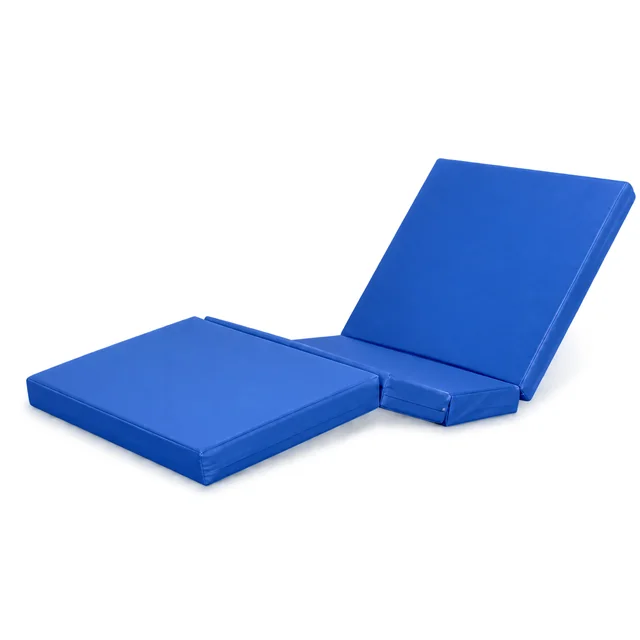
A hospital bed in a home or care home moves more than a domestic bed, so the sheet has to move with it. When the backrest rises to 70° and the knee-rest to 30° or more, the mattress folds and its effective length along the top surface changes; a sheet that is only just long enough will pull off the foot corners.
- Choose fitted sheets with all-round elastic rather than corner-only elastic, so the sheet grips along the sides as the mattress bends.
- Allow enough pocket depth for the mattress plus any overlay; an overlay on top of a foam mattress can add 50–100 mm.
- Test one sheet through a full articulation cycle (flat, backrest up, knee-rest up, back to flat) before ordering in volume.
- Keep a few spare flat sheets for non-standard mattresses, since a flat sheet can be mitred to fit almost any size.
Hospital bassinet sheets and crib linen sets
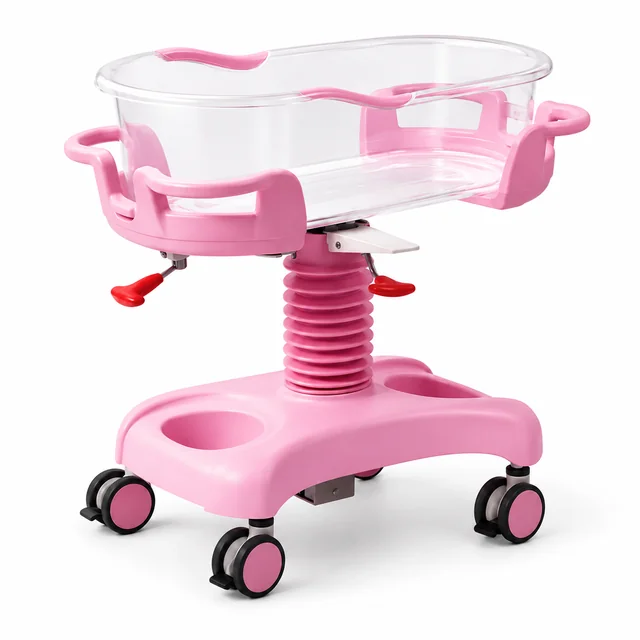
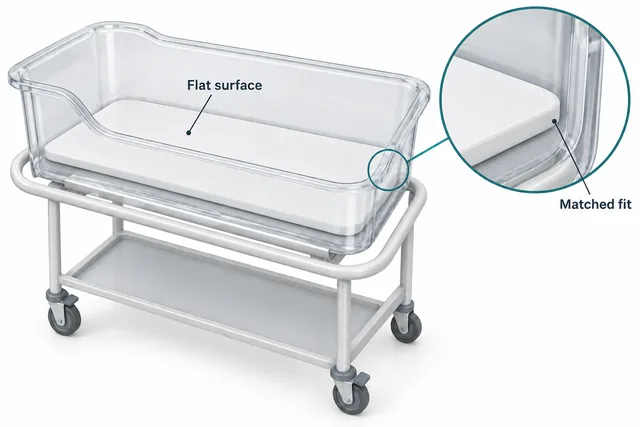
A hospital bassinet sheet must be a fitted sheet made for that exact bassinet mattress, and nothing else should go in the infant sleep space. Infant sleep guidance is stricter than adult linen practice.
The American Academy of Pediatrics' 2022 safe sleep recommendations call for a firm, flat sleep surface with a fitted sheet and no soft bedding. The US Consumer Product Safety Commission, implementing the Safe Sleep for Babies Act, approved final rules in August 2023 banning padded crib bumpers, and its advice is to "use a fitted sheet only". In practice:
- Order bassinet sheets to the measured mattress size of each model; Keling's bassinets such as the KL-BC117 have their own mattress dimensions, which we supply on request.
- Choose sheets that fit snugly with no loose fabric that could bunch near the face.
- A retail "crib linen set" with quilt, pillow or bumper is not suitable for an infant sleep space.
- Personalised hospital bassinet sheets are fine for photographs only if they are fitted sheets that meet the same rules.
See our guides to hospital crib mattresses and infant bed safety and standard crib mattress sizes.
Hospital bed sheets guide: specification checklist
Use this checklist to brief a linen supplier or write a tender lot:
- Mattress length, width and thickness for every bed and mattress model on the ward.
- Sheet type: fitted or flat bottom; top sheet; draw sheet; pillowcase.
- Finished sizes including tuck allowance (flat) or pocket depth (fitted).
- Fabric composition, weight and target number of wash cycles.
- Laundry process: temperature, time and chemicals.
- Colour coding, if used to separate wards or sizes.
- Separate lots for bariatric, paediatric, bassinet and crib mattresses.
Specification line: Fitted bottom sheet for 900 × 1900 mm hospital mattress, 100 mm thick (e.g. Keling KL-P001), polyester-cotton, all-round elastic, pocket depth suitable for 100–150 mm mattresses, to withstand repeated thermal disinfection at 71°C.
Need mattress dimensions for your linen order? Contact Keling with your bed and mattress models and we will confirm the exact sizes.
Sources and further reading
- Alsco: Hospital Bed Sheets Size Guide — US standard hospital mattress dimensions and bariatric widths.
- UK Health and Safety Executive: Laundry treatments — thermal disinfection temperatures and times.
- CDC (archived): Laundry, Washing Infected Material — linen handling and commercial wash temperatures.
- AAP: Sleep-Related Infant Deaths, Updated 2022 Recommendations — safe infant sleep surface and bedding.
- US CPSC: Rules implementing bans on inclined sleepers and crib bumpers (2023) — crib bumper ban and fitted-sheet-only advice.
Illustration: AI-generated image for explanation only; it does not show a specific Keling model. See the linked product pages for actual product photos and specifications.
Frequently asked questions
What size sheets do hospital beds use?
Hospital beds use sheets sized to their mattress. In the US the standard hospital mattress is about 36 × 80 in and 6 in thick, so hospital-size or twin XL sheets fit best. Many international beds use metric mattresses, such as 900 × 1900 mm, which need sheets made to those dimensions. Always measure length, width and thickness first.
Do twin sheets fit a hospital bed?
Standard twin sheets are about 75 in long, roughly 5 in short for a US 36 × 80 in hospital mattress, so they tend to pull off when the backrest is raised. Twin XL sheets match the 80 in length and usually fit with deep elastic pockets. On a metric 900 × 1900 mm mattress, order sheets to the metric size.
Are fitted or flat sheets better for hospital beds?
Fitted sheets are faster to put on and stay in place during articulation, so home and long-term care often prefer them. Flat sheets tolerate different mattress sizes, launder and fold more easily, and are common in hospitals using mitred corners. On pressure-relief mattresses, either should be smooth but not stretched tight.
What are hospital bed pads used for?
Hospital bed pads, or underpads, are absorbent layers placed under the hips to protect the sheet and mattress from moisture, especially for incontinence. They are disposable or reusable. Use them only when the care plan calls for one, because extra layers reduce the performance of pressure-redistributing mattresses and can trap heat and moisture against the skin.
What sheet should go on a hospital bassinet?
Only a fitted sheet made for that bassinet's mattress. Safe sleep guidance from the American Academy of Pediatrics and the US CPSC calls for a firm, flat surface with a fitted sheet and no blankets, pillows or bumpers. Measure each bassinet model's mattress and order snug-fitting sheets with no loose fabric.
What temperature should hospital sheets be washed at?
Hospital linen is thermally disinfected in the wash. UK HSE guidance gives 65°C for at least 10 minutes or 71°C for at least 3 minutes, and US commercial laundries often use 160°F (71°C) or higher with bleach for heavily soiled linen. Specify sheets that withstand your laundry's process without excessive shrinkage.
About the author
This article was written by the Keling Medical export team, drawing on the engineering data for the 33 bed, cot, mattress and accessory models Keling manufactures at its Yangzhou plant, and checked against the published standards and guidance listed in the sources. Keling Medical has been making medical appliances since 1996 and holds CE, ISO 9001 and ISO 13485 certification. More about Keling.