Hospital Crib Mattresses & Infant Bed Safety: Firmness, Covers and Standards
Review hospital crib mattress firmness, fit, covers and safety evidence. Specify model-matched replacements for bassinets and medical cots before bulk ordering.
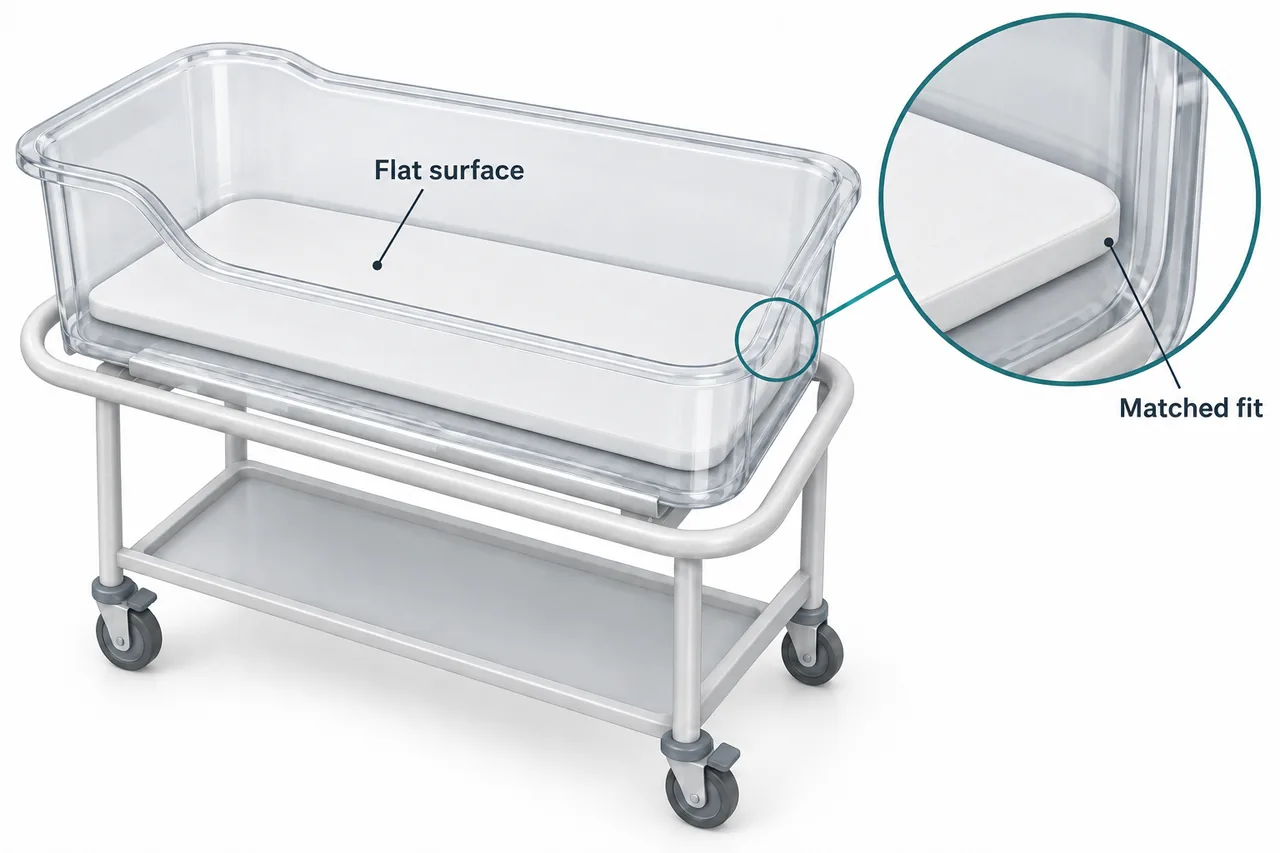
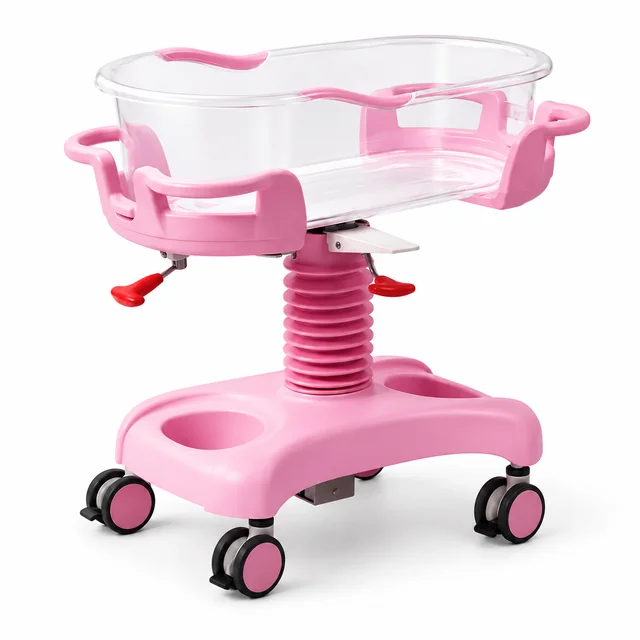
A hospital crib mattress should be purchased as part of a specific infant-bed system. Length and width matter, but they do not establish that the mattress has the right firmness, thickness, edge shape or cover construction. A substitute that looks suitable in a catalogue can change the way the complete crib performs.
For maternity services and hospital distributors, the most reliable starting point is the mattress reference approved for the exact bassinet or cot. Retain that reference in the original purchasing record so replacement orders do not become a search for the nearest available foam size.
Why firmness and a flat surface matter
The American Academy of Pediatrics recommends a firm, flat, noninclined infant sleep surface and placing infants on their backs for sleep. Keep soft bedding and loose items out of the sleep space. These principles should guide routine sleep-surface procurement without turning a catalogue description into a clinical certification. AAP safe-sleep recommendations.
“Firm” should have supporting product information and the relevant test evidence. Pressing a sample with a hand may reveal obvious damage, but it is not a validated conformity test. Likewise, terms such as orthopaedic, premium or memory foam do not establish suitability for infant sleep.
Do not add an extra pad to make the mattress feel softer. Changes to the approved support surface can alter firmness, fit and side height. If a clinical service requires a different surface for a particular patient, obtain a documented device and clinical assessment rather than improvising a modification.
Mattress fit: confirm the complete geometry
Request the bassinet's internal support-surface dimensions and the manufacturer's approved mattress dimensions, including thickness and tolerances. External frame dimensions are not a mattress specification. A tray with rounded corners may require a shaped insert rather than a rectangular pad of the same nominal length.
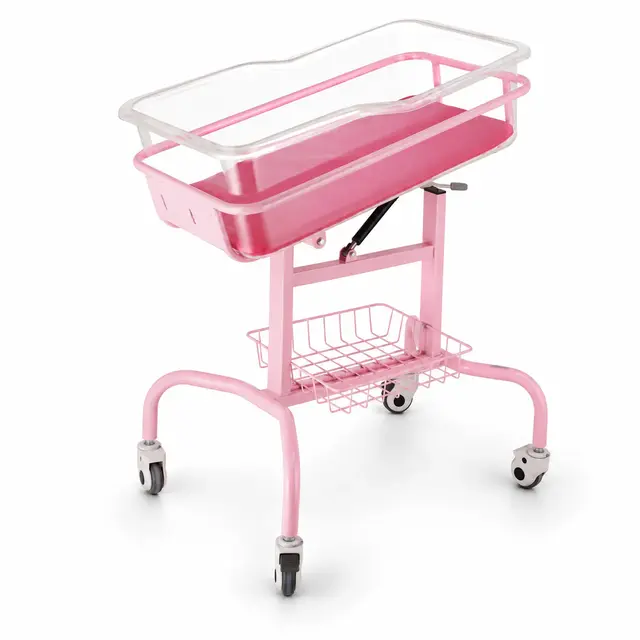
Ask how fit is assessed in the relevant standard and product instructions. The aim is to avoid unsafe spaces around the mattress and maintain the evaluated system. Do not invent a universal allowable gap from a consumer rule or apply adult-bed dimensional criteria to every infant product.
| Information to record | Supplier evidence or sample check | Purchasing consequence |
|---|---|---|
| Exact cot or bassinet model | Label, drawing and intended use | Prevents cross-ordering between similar products |
| Mattress dimensions and shape | Signed specification including tolerances | Defines a compatible replacement |
| Thickness | Approved value and range, if any | Preserves the intended side geometry |
| Firmness and construction | Relevant test evidence and material description | Avoids selection by marketing language |
| Cover and closure | Material, seams, zip protection and cleaning instructions | Supports inspection and turnover planning |
| Replacement identification | Part number and revision | Maintains consistency across later orders |
For a mixed fleet, make one line for every approved bed-and-mattress combination. Mark parts clearly in storage so staff do not select by colour or approximate size alone.
Waterproof covers and antimicrobial claims
A fluid-resistant cover should help protect the core while remaining suitable for the prescribed cleaning process. Review seams, closures and the underside as carefully as the upper surface. Ask whether the cover can be replaced independently and how staff should inspect the core when damage is suspected.
CDC guidance emphasises compatible cleaning and disinfection, intact covers and replacement of damaged covers. It also distinguishes antimicrobial treatment claims from evidence of patient health benefits. An “antibacterial” label is not proof that a mattress prevents infection. CDC laundry and bedding guidance.
For purchasing, ask a supplier making an antimicrobial claim to identify the tested material, method, organism and conditions. Keep that material-level result separate from any claim about reduced infection in patients. Give priority to a cover the facility can inspect, clean correctly and replace when necessary.
Avoid vague “non-toxic” requirements without defining the substances, exposure assumptions and destination rules being assessed. Request appropriate material and safety documentation for the finished product. An unsupported adjective cannot replace a report tied to the actual cover and core.
Safety standards: verify product category and market
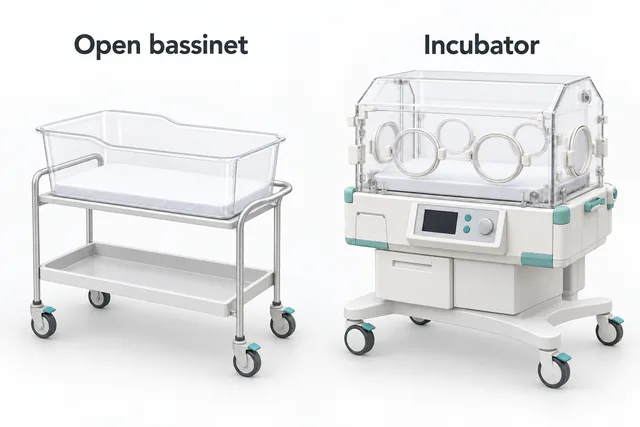
A neonatal bassinet, paediatric medical crib and consumer nursery crib may fall under different requirements. The regulatory reviewer should establish the product category and intended use before selecting the standards list. For the United States, FDA describes special controls for paediatric medical cribs and medical bassinets. FDA medical crib and bassinet framework.
For medical beds within its scope, IEC 80601-2-89:2025 is the current international children's medical-bed publication at the time of this guide. Its applicability and local acceptance need to be confirmed for the specific product. IEC children's medical-bed standard.
Ask for reports that identify the bed, mattress and relevant configuration. A general ISO management-system certificate does not establish that a replacement mattress passed the required product tests. The Keling certifications page is a starting point for requesting documents, followed by model-specific verification.
Sampling and replacement purchasing
Review a sample with the clinical and cleaning teams before a large order. Verify identification, dimensions, cover condition and the manufacturer's prescribed fit checks. Confirm that fitted linen does not distort the mattress or require an additional pad. Record the accepted sample reference and specification revision.
Define what happens when a cover is damaged or a mattress becomes unsuitable for use. Staff need an available replacement and a clear withdrawal process. Keeping spare covers can help only when covers are separately replaceable and the underlying mattress remains acceptable under the manufacturer's instructions.
For distributors, preserve the original model relationship in invoices and service records. If the supplier changes the core, cover or thickness, ask for written compatibility confirmation and any updated evidence before treating the replacement as equivalent. A small unrecorded substitution can spread across many facilities through routine reorder cycles.
Requesting a Keling crib mattress package
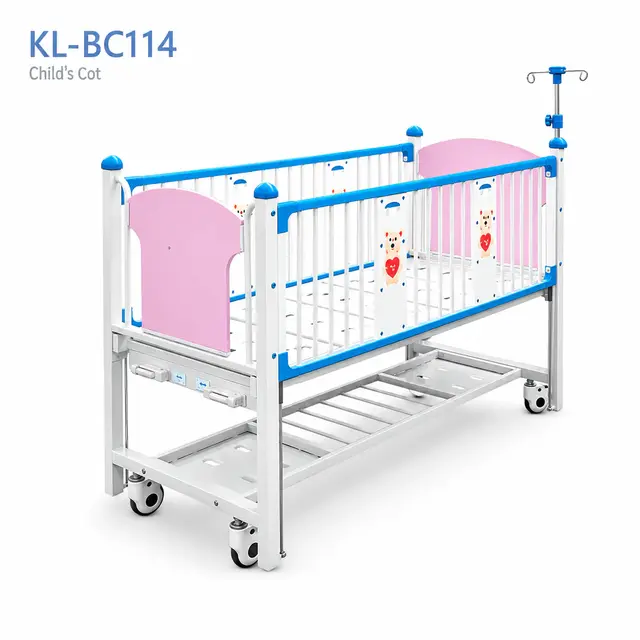
Begin with the exact model in Keling's children and infant bed range. The KL-BC117 listing specifies a 20 mm mattress, but thickness alone does not establish conformity or make that insert suitable for another cot.
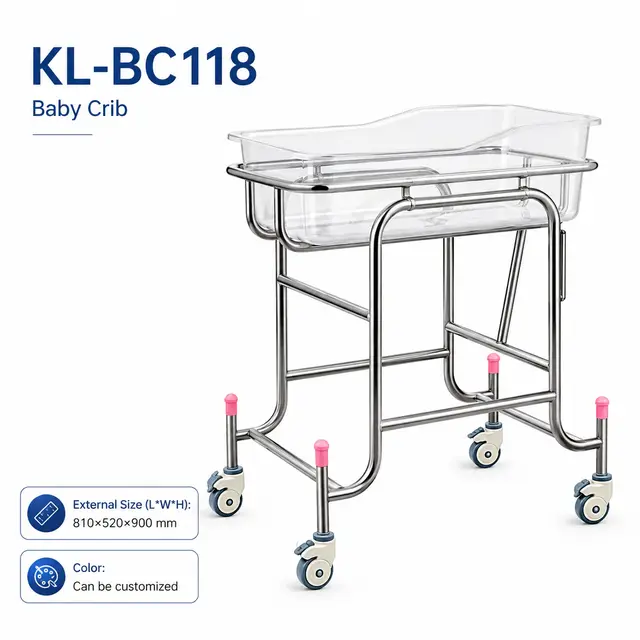
Request the approved mattress specification, supply scope, replacement reference and supporting documentation for the selected product. Ask whether the quoted unit includes a mattress and cover, and whether separate replacements are available. Coordinate the purchase with the maternity rooming-in plan and the distinctions explained in Neonatal Cribs, Isolettes & Hospital Bassinets: Specifying for Maternity & NICU and Paediatric Hospital Beds & Cots: Safety Heights, Enclosures and Sizing.
Frequently asked questions
Does thicker mean safer or more comfortable for an infant?
No. The mattress must match the approved bed system. Extra thickness can change the enclosure and may introduce an unsuitable support surface. Use the specified component rather than adding layers for perceived comfort.
Can an antimicrobial cover replace disinfection?
No. Follow the manufacturer's cleaning instructions and the facility's infection-control process. A material treatment claim does not establish that routine cleaning can be reduced or that infections will be prevented.
Can the same insert fit several bassinet models?
Only with documented compatibility. Similar external sizes do not prove matching internal geometry, mattress thickness or performance. Maintain a verified model list for each replacement part.
What should be included in a bulk mattress enquiry?
Provide the exact crib models, quantities, destination, current mattress references and the facility's cleaning requirements. For an existing fleet, include label photographs and dimensioned drawings where available.
Next step
To source a matched replacement or a complete infant-bed package, send Keling your model list and request a written compatibility and documentation proposal before ordering.
About the author
This article was written by the Keling Medical export team, drawing on the engineering data for the 33 bed, cot, mattress and accessory models Keling manufactures at its Yangzhou plant. Keling Medical has been making medical appliances since 1996 and holds CE, ISO 9001 and ISO 13485 certification. More about Keling.