
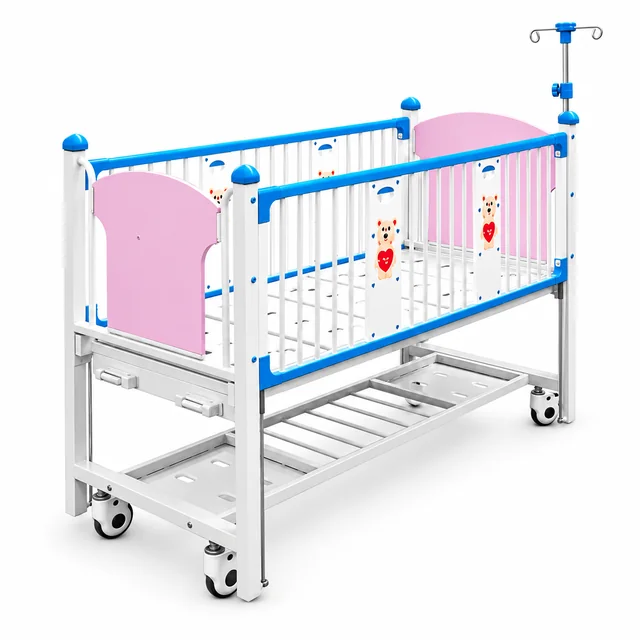
KL-BC114
Adjustable Pediatric Hospital Bed with Full-Length Safety Rails
Infant Cots & Cribs
Child's Cot
Illustrative paediatric ward: child-cot selection, mattress-and-rail compatibility and a family-space planning checklist.
Illustrative application example. This is a planning scenario, not a verified customer installation. No customer, order or delivery result is claimed.
A hospital is planning a paediatric inpatient area with room for both medical equipment and accompanying adults. Procurement needs a clear patient-group specification before choosing a cot, because products with similar names can differ greatly in dimensions and intended use. This example proposes a structured comparison rather than assigning an age range that the catalogue does not establish.
The final bed count, destination, budget and delivery window are project inputs to be supplied by the buyer. No order quantity, customer name or contract value is presented as a fact in this example.
KL-BC114 is listed as a paediatric hospital bed with a 1770 × 720 mm mattress platform and adjustable backrest and knee-rest. KL-BC115 is a much smaller stainless-steel cot with listed external dimensions of 800 × 500 × 800 mm. These are not interchangeable candidates for every child. Ask for documented user limits, mattress fit and applicable evidence before final selection; no age or weight suitability is inferred here.
Candidate product pages: KL-BC114 · KL-BC115. These links show the catalogue products to review; the room image is not an exact product photograph or a confirmed bill of materials.
Review the room with the cot rails in every permitted position and an adult chair in its normal location. The illustrated room is conceptual and cannot establish rail-spacing compliance. Use approved product drawings and the facility's safety review for cot, mattress and surrounding furniture interfaces.
Approve a complete cot sample with the intended mattress before ordering repeated room packages. Include the exact model and rail version on the packing list. Keep cot components separate from adult-bed parts during receiving and document which staff accept the assembled equipment.
Agree the MOQ, offered configuration, lead time, Incoterm, destination and responsibility for import documentation in the final quotation. Confirm any market-specific documents against the actual model and destination; this example is not evidence of registration in a particular country.
Checks must follow the supplied manufacturer instructions and the facility's approved procedures. Record nonconformities and obtain closure before the responsible team releases equipment for use.
The desired procurement outcome is an unambiguous cot schedule and an approved furnished-room layout. No claim about child safety performance, recovery or completed ward installation is made from the illustration.
Send your care setting, intended equipment use, bed quantity, room and doorway dimensions, required functions, destination and preferred delivery date. Include any required accessories and a tender specification or bill of quantities if available. Ask the export team to identify confirmed matches, exceptions and optional items separately.
Discuss this project with Keling or compare the hospital bed range.
Child's Cot
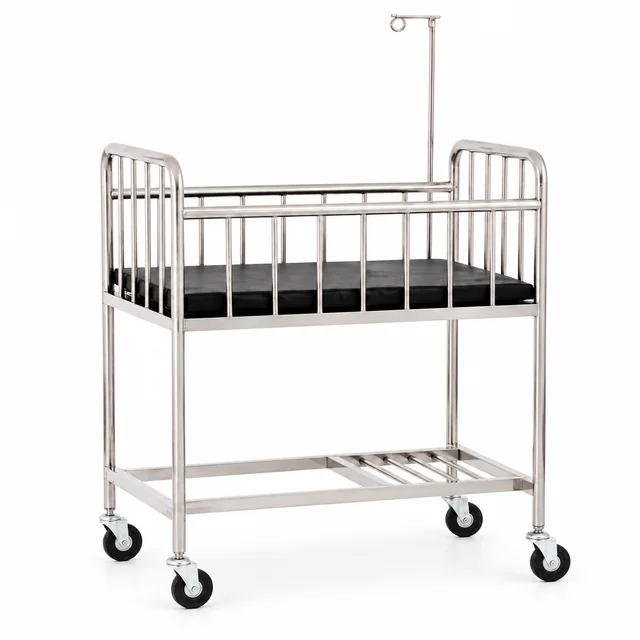
Child Cot
Whether you are a distributor building stock, a contractor equipping a new hospital, or an agency running a tender, we can quote, document and ship to your terms.